Why Guests Ghost Your Bookings (And How to Stop Losing Revenue to No-Shows)
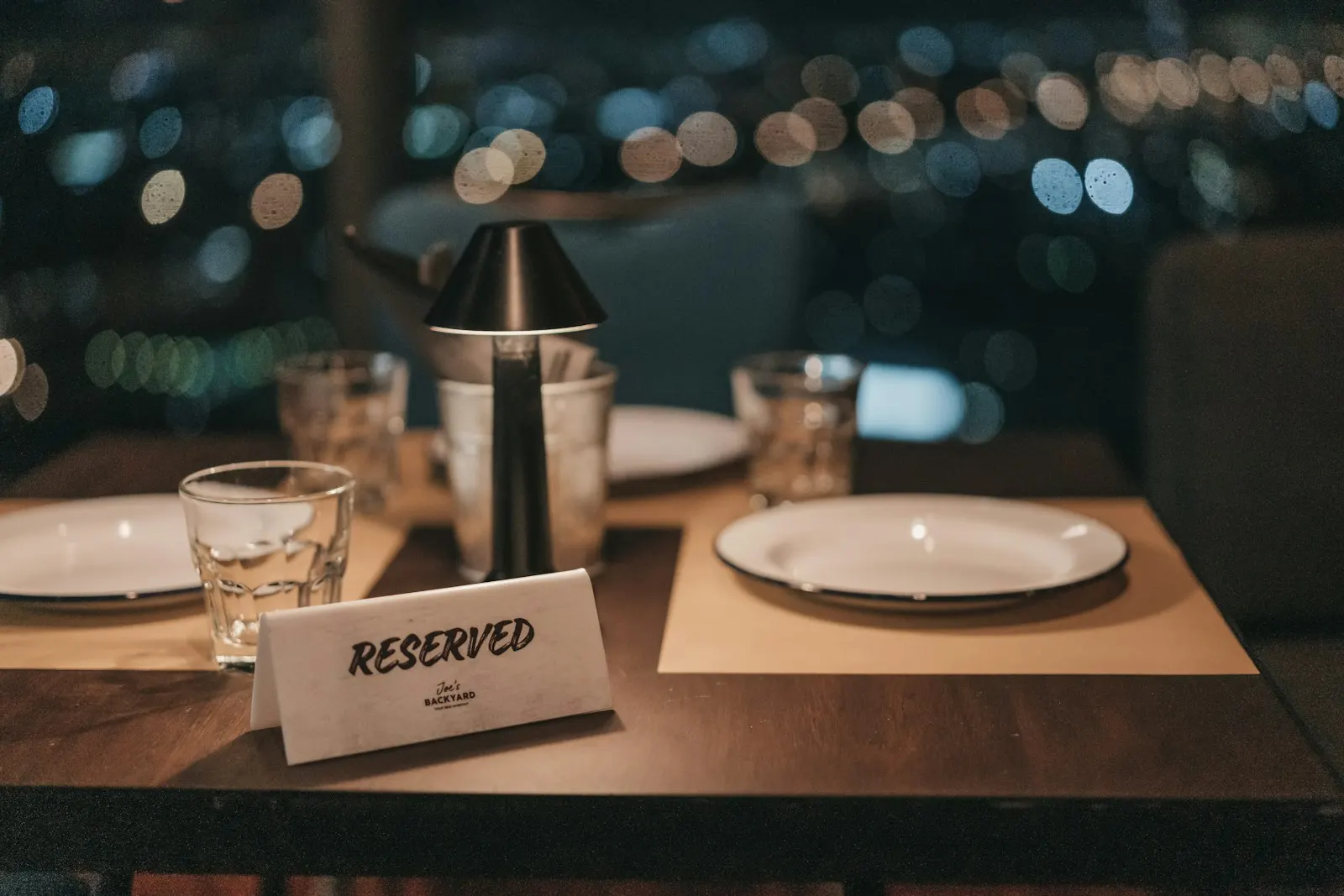
7:20pm, and the table is still empty
It is Saturday. The dining room is moving, the pass is busy and a four-top booked for 7pm is still sitting untouched at 7:20. The table was held because the booking looked solid. There was no phone call, no message and no cancellation. A walk-in party has already been turned away because the host could not risk giving the table up too early. By 7:35, the kitchen has lost a chance to fill a prime slot and the front-of-house team is left explaining why a room that feels busy still has an empty table in the middle of service.
That is the real cost of a no-show. It is not simply an unoccupied chair. It is lost revenue in the part of the evening where a restaurant has the least spare capacity, plus the lost chance to serve a guest who was ready to spend. The frustration gets worse because no-shows often arrive without warning. Staff cannot backfill what they cannot see coming.
OpenTable’s consumer research has reported that 28% of diners admitted to no-showing a reservation in the previous year. That figure does not mean every restaurant loses 28% of its covers; no-show rates vary sharply by location, booking type and service period. It does show why operators cannot treat the issue as a rare inconvenience. It is a behaviour that needs an operating system around it.
What no-shows cost in a normal week
Take a mid-size restaurant with 60 booked covers a night across five dinner services, an average spend of £32 per guest and a 5% no-show rate. That is three missed covers per night. Three covers multiplied by £32 equals £96 in unserved revenue each evening. Across five nights, that becomes £480 a week. Over a four-week month, the same pattern is £1,920 before considering drinks, dessert, tips or the walk-ins turned away while those tables were held.
The calculation is deliberately simple, but it gives a manager something concrete to track. Start with your own booked covers, average spend and no-show rate. Separate Friday and Saturday from quieter midweek shifts. A 5% problem on a Tuesday can be manageable. The same rate at 7pm on a Saturday can erase the value of a full extra table turn.
Why guests disappear
1. No reminder reaches them at the right time
People book restaurants while commuting, scrolling late at night or making loose plans with friends. By the day of the reservation, the booking may be buried in an inbox or forgotten by the person who made it. A reminder is not a nag. It is a service message that makes it easy to confirm, cancel or change the time before the table becomes dead space. The timing matters: a confirmation straight after booking, a reminder the day before and a short same-day prompt for peak periods gives guests several low-friction chances to act.
2. The booking has no meaningful commitment
A completely frictionless reservation can create a completely low-stakes decision. When a guest can book a valuable Saturday slot with no card, no deposit and no clear cancellation policy, cancelling may feel optional. A small refundable deposit for peak periods changes the calculation without punishing genuine guests. The goal is not to charge people for making plans. It is to make the value of the table visible and to create a clear cancellation route that protects both sides.
3. There is no waitlist ready to respond
Cancellations will still happen. The difference between a controlled cancellation and lost revenue is often the waitlist. If a guest can join a waitlist for a preferred time, and the restaurant can offer a released table immediately, the empty slot has a chance to become revenue again. A paper list or a message thread cannot move quickly enough during service. The best systems notify the next suitable guest in real time and let the host keep control of the offer.
A reminder system changes the odds
The exact result will depend on the restaurant, but operators should compare their own data before and after a reminder programme. The figures below are practical planning ranges, not a promise: they show why confirmation and cancellation flows deserve the same attention as marketing spend.
Three fixes to implement this month
Automate booking reminders
Set up confirmation messages immediately after a booking, then send an automated SMS or WhatsApp reminder 24 hours before peak-time reservations. Include two clear actions: confirm or cancel. Do not make guests call during opening hours to cancel. Every cancellation that arrives early is an opportunity to contact the waitlist, adjust staffing or release the table.
Use small refundable deposits for high-demand slots
Reserve deposits for the hours and group sizes where the risk is real. A £5 to £10 per person refundable deposit can be enough to prompt action without making the booking feel hostile. Explain the policy in plain language, make the refund process straightforward and allow reasonable flexibility for guests who contact you early. Consistency matters more than severity.
Build an active waitlist
Measure the result, then tighten the process
Track no-show rate by day, time slot, party size and booking source. Track cancellation lead time too. A cancellation made 24 hours ahead is useful operational information; a no-show at 7:20pm is a different problem. Review the numbers weekly with the front-of-house lead. If the same slot or guest type repeatedly fails, adjust the reminder timing, deposit rule or waitlist capacity rather than applying one blanket policy to everyone.
Growtality’s smart booking system brings the pieces together: automated reminders, clearer guest communication and waitlist backfill without adding another manual task for the team. It gives the restaurant a better chance of turning a cancellation into a confirmed table, while giving guests a simpler way to manage their plans.
Try Growtality free for 14 days and make every booking more likely to become revenue.
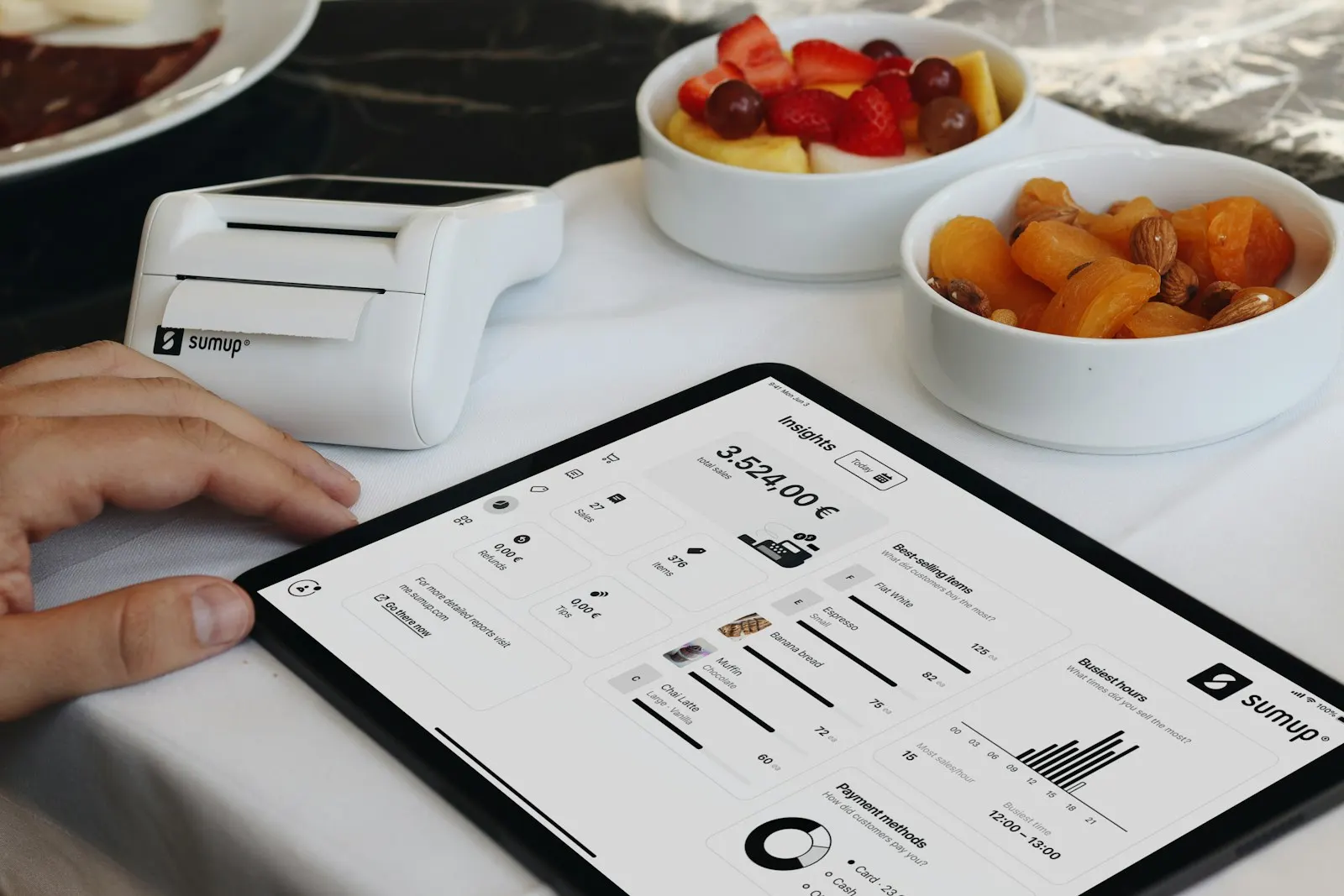
[Image: reservation dashboard on a tablet, showing why fast confirmation and waitlist backfill matter during service]
Booking setup | Typical planning range | Operational effect |
|---|---|---|
No reminder system | 5–10% no-show rate | Late surprises and tables held too long |
Automated SMS or WhatsApp reminders | 2–5% no-show rate | More confirmations and earlier cancellations |
Reminder plus deposit for peak slots | 1–3% no-show rate | Stronger commitment where capacity is most valuable |