
A £40 order is not £40 of revenue
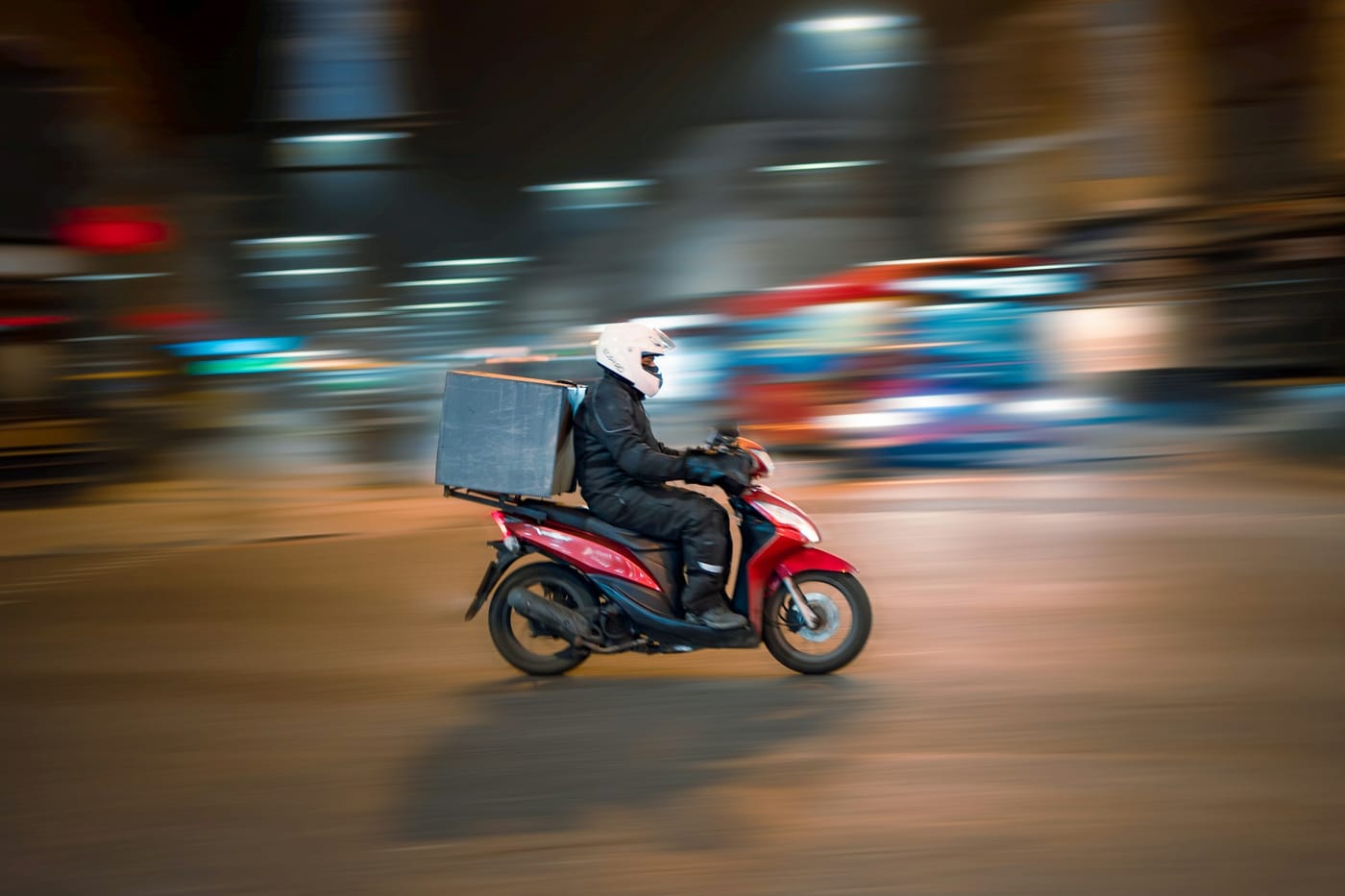
A delivery app order can feel like a win: the kitchen is busy and the order value looks healthy. Follow the money all the way through, though. On an illustrative £40 order, a 30% commission takes £12 before you’ve paid for food, labour, packaging, payment processing, refunds or overheads. Delivery apps can still be worth having, but you need to know what that order actually leaves you.
The same order, two different outcomes
Use a hybrid margin strategy
Delivery apps help new customers find you, especially if your own online presence is still thin. Keep them, and move your repeat guests toward direct ordering. Put a direct-order link on your social profiles and a short message on receipts or packaging. Reward direct orders with loyalty benefits that protect your margin, rather than with discount after discount.
Try Growtality free for 14 days and see what a healthier delivery mix could look like.
| Illustrative £40 order | Marketplace order | Direct order |
|---|---|---|
| Order value | £40.00 | £40.00 |
| Marketplace commission | -£12.00 | £0.00 |
| Packaging and payments | -£3.50 | -£2.00 |
| Food and labour example | -£21.00 | -£21.00 |
| Contribution before overheads | £3.50 | £17.00 |
How to protect margin without leaving discovery behind
You don’t have to delist tomorrow. Start by finding out which orders make money and which only keep the kitchen busy. Look at a typical week rather than one good night, and count the discounts you fund yourself, refunds, remade delivery orders and the extra staff hours peaks create. That figure tells you more than the headline commission, because it’s what winning the order really cost.
Once you can see it, treat customers differently. A first-time customer from a marketplace can justify a higher acquisition cost than a regular who already knows you. The regular needs a clear reason to order direct instead: reliable service, an easy checkout, loyalty recognition, or a small extra that doesn’t cut your menu price. That’s how a guest who found you on an app becomes one who orders from you.
Be careful with blanket discounts. A five-pound voucher is easy to hand out, but it can teach guests who already order direct to wait for a deal. Incentives that improve the experience work better, such as early access to a new menu, a loyalty reward after a set spend, or a small free item that brings them back. Ordering direct should feel better to the guest without making the restaurant look cheap.
Make this a monthly conversation with your managers. Compare what direct and marketplace orders contribute by order size, time of day and type of customer. If a channel brings new guests, track how many of them go on to place a second order direct. If it mostly brings repeat orders at a high cost, improve your direct route.
Practical next steps
- Calculate contribution after every delivery-related cost.
- Separate first-time marketplace orders from repeats.
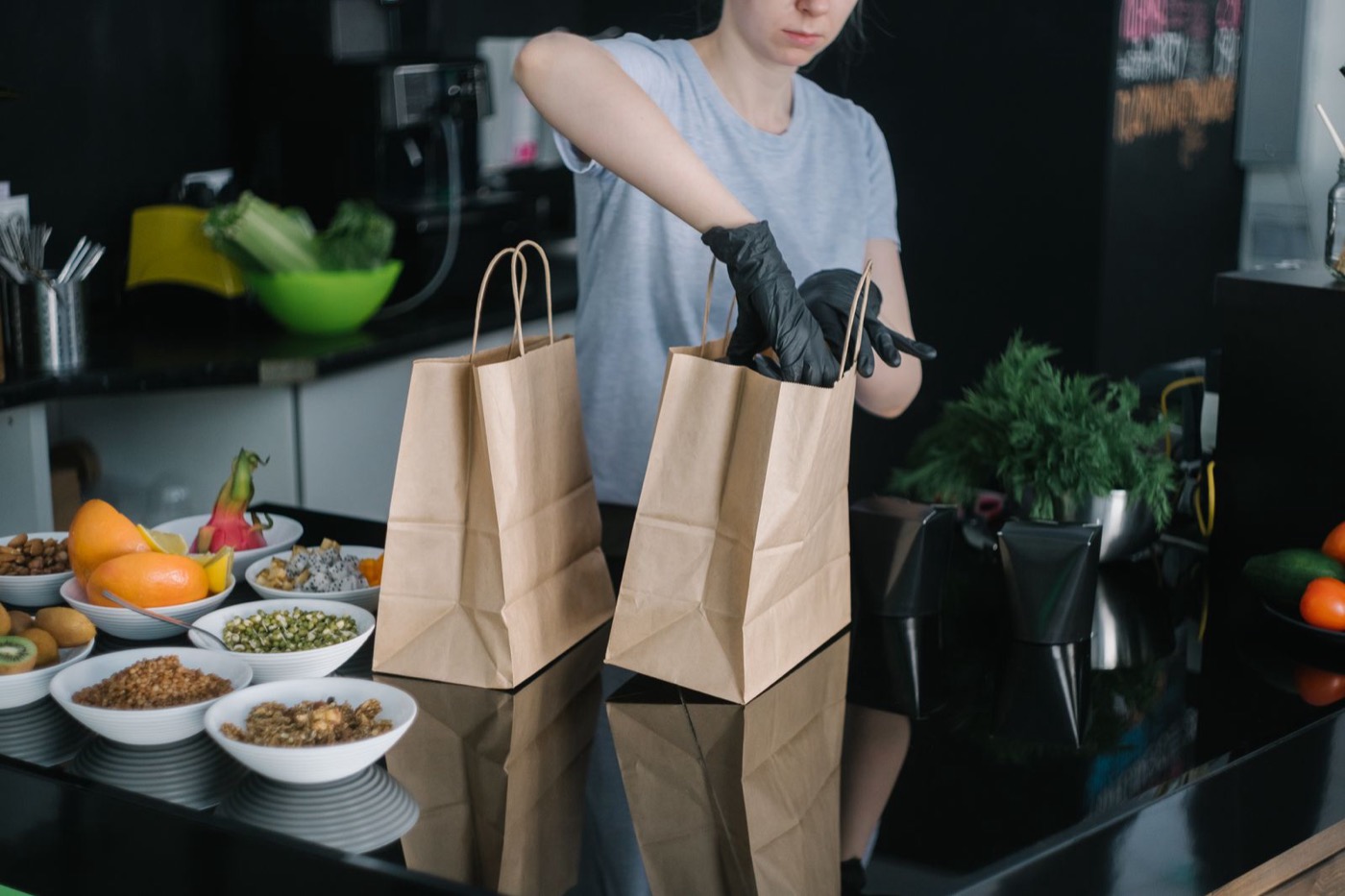
- Make direct ordering visible on receipts and packaging.
- Use loyalty benefits that protect price integrity.
- Review channel mix monthly, not only when cash is tight.
Restaurants need demand, and many new guests first find a venue on a marketplace. What matters is whether you have a deliberate path from that first order to repeat ordering. With that path in place, the cost of winning a new guest is easier to justify, and more of the margin on their next order stays with you.
The 30% commission reality in numbers
On a £40 order, a 30% commission is £12. On 100 similar orders per month, that is £1,200 before food cost, labour, packaging and overheads. The question to work on is how many of those repeat orders can move to a cheaper direct channel while the apps keep bringing you new guests.
Questions owners ask
How much does a 30% delivery commission cost a restaurant?
On a £40 order, a 30% commission is £12, taken before food cost, labour and packaging. On 100 similar orders a month, that's £1,200 a month in commission alone.
How can restaurants reduce delivery app commission?
Keep the apps for discovery but move repeat guests to direct ordering: put your ordering link on receipts, packaging and social profiles, and use loyalty benefits that reward ordering direct without discounting every order.
Should restaurants stop using delivery apps?
Not necessarily. Apps can bring new customers, especially for a restaurant without a strong online presence. The aim is to know which orders are genuinely profitable and to stop paying full commission on regulars.