
Customers haven’t stopped eating out. They’ve become choosier about where they spend their money.
Despite rising costs, the restaurant industry is expected to generate $1.55 trillion in sales in 2026, so people clearly still value eating out. Demand is there, but diners expect more for every dollar they spend. Meanwhile, over 90% of restaurant operators report pressure from rising food costs, labour, insurance and payment processing fees, and 42% say their profits are flat or negative. The restaurants doing well are the ones adapting to what customers actually want, on top of serving good food.
Customers want value, which isn’t the same as low prices
It’s often assumed that customers only care about finding the cheapest meal, but that’s no longer true.
Inflation has changed how people spend without stopping them treating themselves. Diners now ask whether the experience is worth their money.
That has fed what researchers call “little treat culture”. Around 71% of consumers say they use small indulgences, like eating at a favourite restaurant or buying a premium coffee, to lift their mood when money is tight. Instead of giving up eating out, people go less often and pick places that feel memorable.
Successful restaurants have noticed. Rather than endless discounts that hurt their margins, they’re offering early-bird menus, weekday specials and limited-time experiences that give value without lowering quality.
Chili’s shows how this works. It kept menu price rises to 2 to 3%, against around 4% at many fast-food chains, repositioned itself as the better-value option, and achieved a 31% increase in same-store sales.
Customers now expect convenience
Convenience used to set a restaurant apart. Now customers take it for granted.
51% of consumers consider delivery and takeaway an essential part of their lifestyle, rising to 67% among Gen Z and 64% among Millennials, which makes digital ordering one of the biggest drivers of restaurant revenue.
People also decide quickly. Research shows most customers choose what to order within 5 to 10 minutes of opening a delivery app. In that short window, good food photography, simple menu descriptions, positive reviews and a smooth checkout decide the order.
Many successful operators now run a separate delivery menu built around dishes that travel well and are quick and consistent to make.
Health and transparency matter more than ever
Diners want to know exactly what they’re eating. Vague claims like “healthy” or “natural” don’t satisfy them; they expect nutritional information, allergen labels, clear ingredient lists and flexible portion sizes. High-protein diets and GLP-1 weight-loss medications have also increased demand for lighter meals and protein-focused menus.
Drinks are changing too. Alcohol consumption has fallen to its lowest level in decades, while premium mocktails and zero-proof drinks keep growing, especially among Gen Z.
Sweetgreen responded by expanding beyond salads into protein plates with chicken, steak and salmon. Dinner traffic rose by 10%, a clear sign that menus built around how customers live can move revenue.
Social media and AI are where customers find you
Years ago, customers found restaurants by walking past them or searching Google. Now they find them through Instagram Reels, TikTok, creator recommendations, Google and, more and more, AI tools like ChatGPT and Gemini.
44% of diners plan to use conversational AI to find restaurants in 2026, yet 83% of independent restaurants are invisible to these platforms because their websites lack structured menus, consistent business information and proper schema markup.
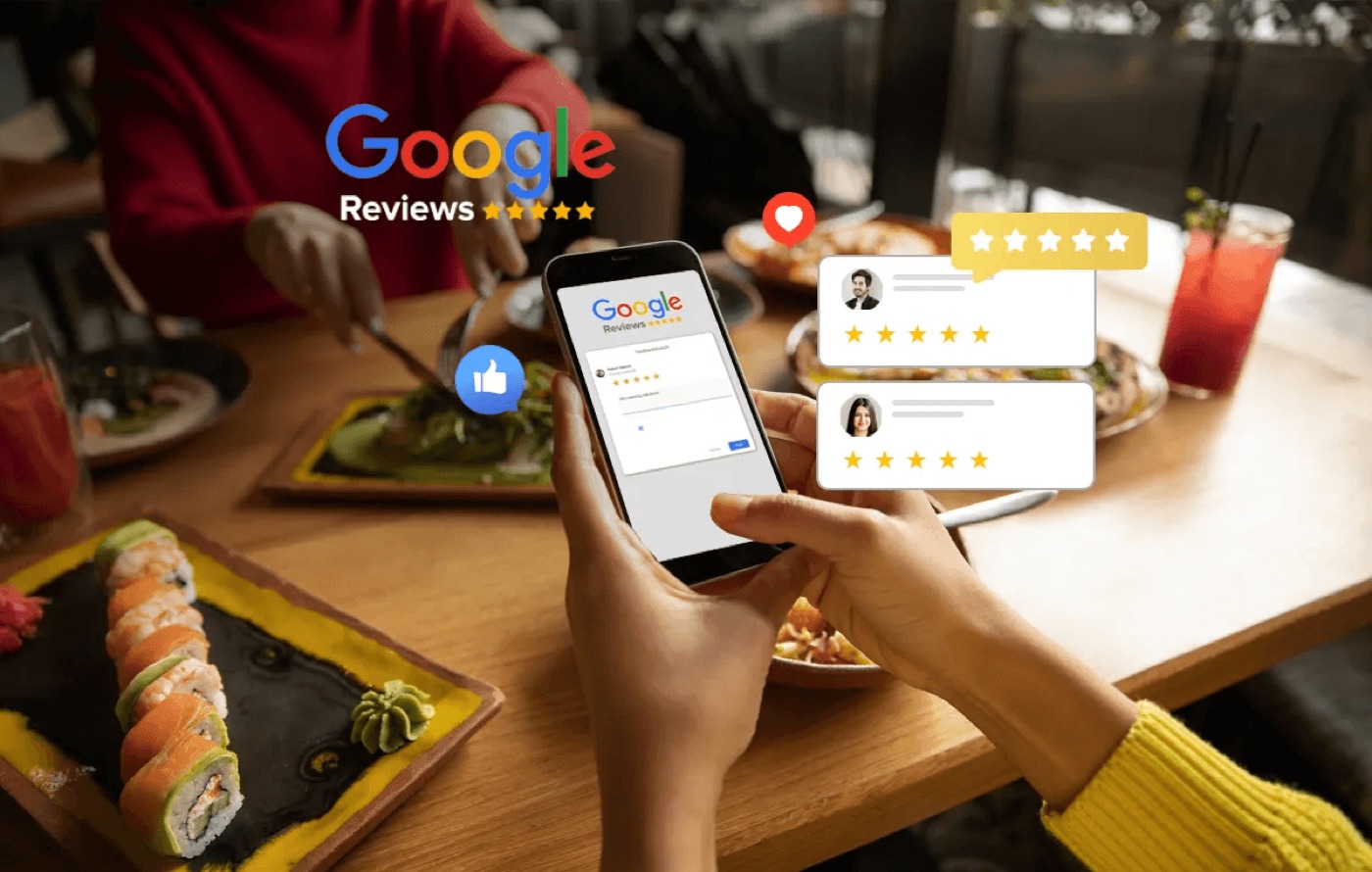
Restaurants that invest in professional food photography, an up-to-date Google Business Profile, structured menu data and genuine customer reviews give themselves a real advantage in AI-powered search.
Technology is helping teams give better hospitality
The best restaurants use technology to help their people work better, and they aren’t replacing staff with it.
Restaurants are investing in AI phone assistants, kitchen automation, predictive staff scheduling and first-party CRM systems that make operations smoother and give staff more time with guests.
Labour shortages make this more urgent. Around 80% of restaurants report being understaffed, and replacing and training a single employee now costs an average of $3,037. The right technology takes pressure off the team without making the guest experience worse.
The restaurants winning in 2026 adapt faster
Doing well today means working out which customer expectations are here to stay, rather than chasing every trend.
Customers want value without lower quality. They expect easy digital experiences, healthier choices, clear information, memorable occasions and personal follow-up after every visit. Restaurants that respond to this are building stronger loyalty and protecting their margins in a crowded market.
Preferences will keep changing, and restaurants that listen to their guests and adapt will keep ahead of the ones that don’t.
Questions owners ask
What do restaurant customers want in 2026?
Good value (which isn't the same as the lowest price), easy digital ordering and booking, and experiences worth paying for. Diners are more selective about where they spend, but they still eat out.
How important is delivery and takeaway to customers?
Very. 51% of consumers consider delivery and takeaway an essential part of their lifestyle, rising to 67% among Gen Z. Customers now expect convenience as standard.
How are restaurants using technology to keep up?
To help staff give better hospitality, and not to replace them: AI phone assistants for calls, kitchen automation, predictive staff scheduling and first-party guest data that lets the team recognise and remember regulars.