

The guest you cannot recognise
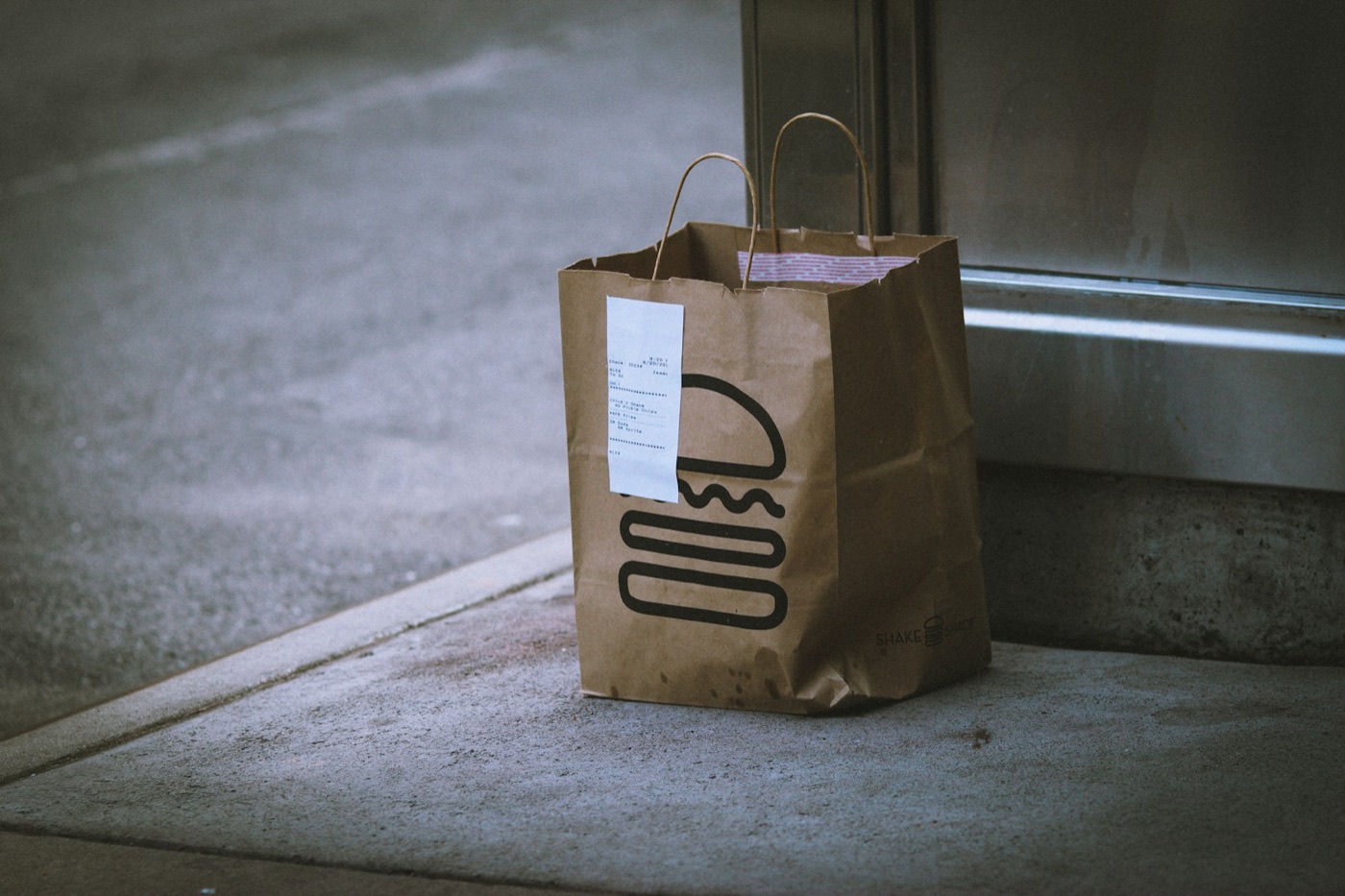
Picture a regular customer placing their third order through a delivery app. They know the menu, they like the food, and they may even recommend you to friends. Yet the restaurant can’t tell they’re a regular. The platform owns the account, the email address, the phone number, the browsing history and often the route to their next order. The restaurant sees a ticket, while the platform sees a guest.
Why restaurant guest data ownership matters
Third-party marketplaces and booking platforms can be powerful ways to get discovered. Trouble starts when the channel becomes the whole relationship. Without guest data you have permission to use, you have no reliable way to welcome a lapsed regular back, build an offer around a favourite dish, or see which guests are becoming more valuable over time. Guests end up loyal to the platform’s brand instead of your restaurant.
The practical ownership plan
Try Growtality free for 14 days and start turning orders into lasting guest relationships.
What changes when the restaurant knows the guest
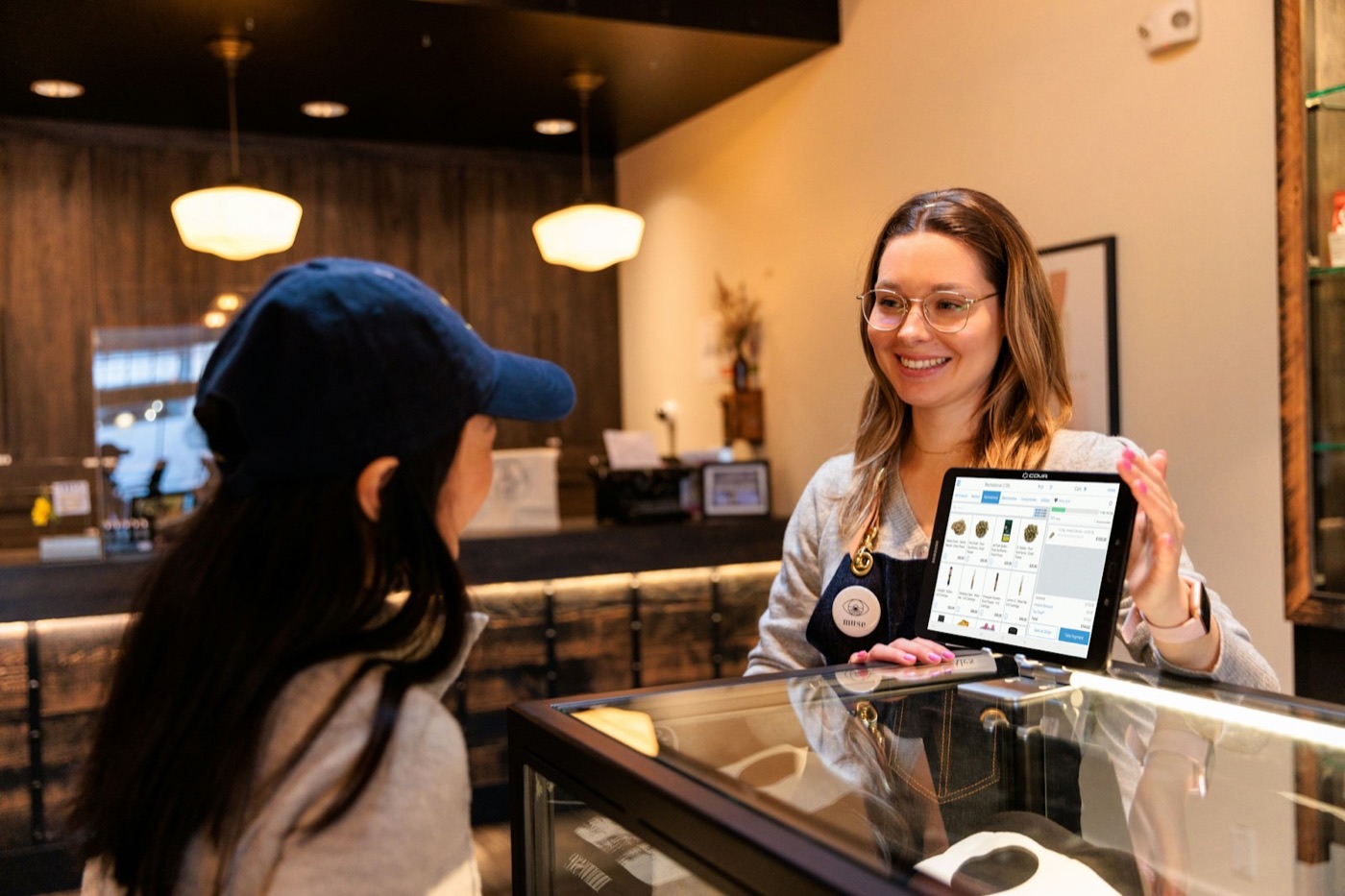
Once you can link a booking, a direct order and a return visit to the same profile, everyday service gets more thoughtful. A manager can see whether a guest is new or returning, which channel they prefer and whether they’re spending more over time. You don’t need to message guests constantly. You have the context to make each message useful, well timed and easy to ignore if the guest isn’t interested.
The most important habit is consistency. Use the same direct-order link everywhere a guest looks: your website header, Google profile, Instagram bio, table QR code and post-visit message. If each channel sends people somewhere different, staff struggle to explain how to order and guests fall back on the marketplace they already know. One simple direct route usually works better than five clever campaigns.
Treat consent as part of good hospitality. Tell guests what they’ll receive, make unsubscribing easy, and only use information that helps them. A guest who agrees to birthday news or relevant offers has invited a relationship, and a guest who gets irrelevant messages is reminded why marketplaces feel easier. A smaller, clean list with clear consent and fewer, better messages will do more for you than a large list nobody trusts.
Start with a few questions every week. How many of your direct guests do you know? How many placed a second direct order? Which channel brought the most repeat business? Which group hasn’t come back recently? Answering them every week makes guest data something the whole team works with, instead of a vague marketing idea.
Practical next steps
- Add one clear direct-order link to every guest-facing channel.
- Use a small benefit to encourage guests to share their details at checkout.
- Review repeat visits and lapsed guests every week.
- Give staff a simple answer when guests ask how to order directly.
- Send helpful, relevant messages rather than constant promotions.
In the long run, owning the guest relationship makes you more independent, and the size of your mailing list matters much less. You learn which moments in service bring people back and which channels only bring one-off orders, and that improves your menu decisions, staffing plans and marketing spend. Over time, you rely less on paying another brand to reach people who already liked your restaurant once.
Four data points to review every Monday
- Known-guest rate: direct orders with permissioned contact details divided by total direct orders.
- Second-order rate: the share of first-time guests who return within 30 days.
- Direct-order mix: direct revenue as a share of all delivery revenue.
- Lapsed guest count: known guests with no visit or order in the last 60 days.
Questions owners ask
Who owns customer data from delivery app orders?
In practice, the platform. When a guest orders through a marketplace, the app holds the relationship and contact details, so the restaurant usually can't recognise the guest as a regular or contact them directly.
How can restaurants collect their own guest data?
Add a clear direct ordering link to your website, Instagram bio and table QR codes, and ask for email or phone permission at checkout in exchange for a genuinely useful benefit. A guest CRM then connects every booking and order to one profile.
Which guest data metrics should restaurants review weekly?
Known-guest rate (direct orders with permissioned contact details), second-order rate within 30 days, and direct-order mix as a share of all orders.